
Professional stucco repair and exterior plaster work serving Reno, Sparks and Northern Nevada
Reno • Sparks • Northern Nevada

Stucco Color Matching Reno

A structurally sound patch can still stand out because old stucco has faded, collected dust and weathered unevenly.

Licensed & insured professionalsPhone or email, not bothOptional photo upload
Appearance and performance

Stucco Color Matching Reno

A structurally sound patch can still stand out because old stucco has faded, collected dust and weathered unevenly.

Reno’s high-desert setting brings strong UV exposure, dry air, broad day-to-night temperature changes, winter freezes, wind and occasional snowmelt. A sound stucco wall can handle those conditions, but weak joints, poor opening details, incompatible patches and trapped moisture can become more visible over time.

Planning note

Judge samples in morning, midday and evening light because high-desert sun changes how neutrals appear.

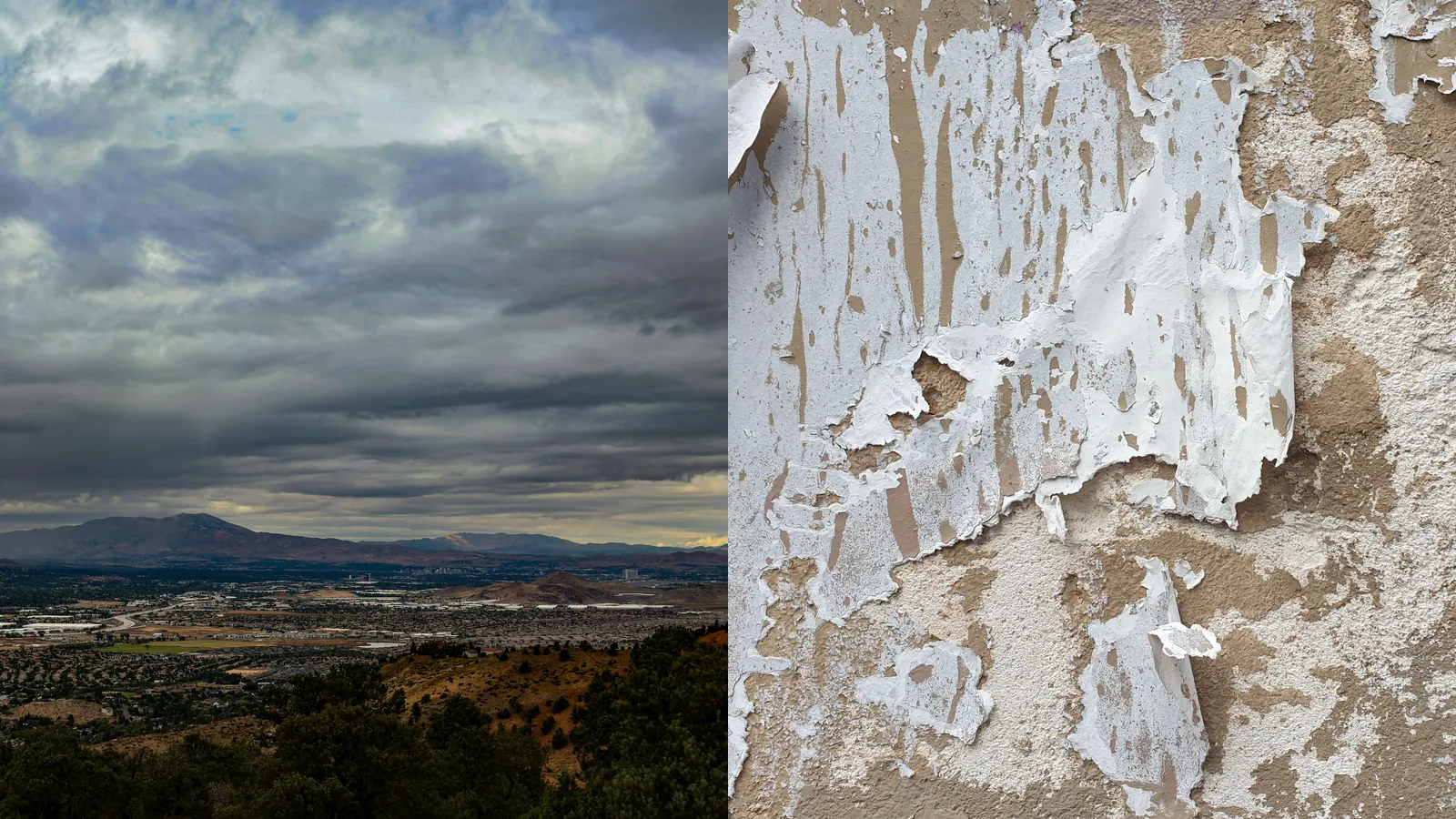
Stucco Color Matching Reno finish and texture example
Common reasons to call

When a small spot is not the whole story

01

New patches lighter or darker than old walls

02

Unknown original color

03

Sun-faded elevations

04

Several past paint colors

Existing color is reviewed in different light. A clean sample is used when available, and the contractor decides whether integral color, a finish coat, mineral coating or paint provides the best path.

Spot repair or wall-wide treatment?

A localized repair works when the surrounding finish can be blended. A broader treatment often looks cleaner when an elevation has many patches, strong fading or an uncommon texture.

What changes cost?

Custom samples, number of elevations, coating type and the need to paint a whole wall affect cost.

Before approving the work

What a complete stucco color matching reno proposal should explain

A useful proposal should name the wall system or state what remains unknown, describe how damaged material will be removed, identify the planned repair edges and explain how the finish will be blended. It should also separate visible work from possible hidden conditions so a customer understands which findings could create a change order.

Ask how the contractor will protect windows, landscaping, roof surfaces, walkways and occupied areas. The scope should address cleanup, disposal, curing time and the conditions required before painting or coating. For elevated work, access equipment and safety setup should be described rather than buried in a generic labor line.

Because this project involves stucco color matching Reno, the proposal should directly address these observed conditions: new patches lighter or darker than old walls, unknown original color, sun-faded elevations. The repair method should be consistent with the explanation provided during inspection. If the recommended scope becomes much larger than the visible damage, the contractor should explain the evidence supporting that decision.

Reno weather changes scheduling. Hot, dry wind can pull moisture from cement products too quickly, while freezing nights can interrupt early cure. The contractor should plan shade, moisture control, temperature windows and return visits around the selected material instead of forcing every job into the same timeline.

Questions worth asking

  • What caused the condition, and how confident is that diagnosis?
  • What material layers will be removed and rebuilt?
  • Where will the repair stop, and why is that boundary appropriate?
  • How will texture and color be evaluated after curing?
  • What is excluded from the quoted scope?

Avoid the quick cosmetic trap

Judge samples in morning, midday and evening light because high-desert sun changes how neutrals appear. A lower bid that skips diagnosis, preparation or cure time can leave the same problem visible again. Compare proposals by scope, materials, repair boundary and contractor credentials, not only by the total at the bottom.
When a targeted repair makes sense

Keep the scope proportional to the evidence

A focused repair is usually reasonable when the condition is isolated, the surrounding stucco sounds solid, there is no continuing moisture pattern, and the repair can end at a natural blend area. For stucco color matching Reno, the contractor should be able to explain why the visible damage does not extend farther into the wall.

After the repair cures, color and texture should be reviewed in the same lighting that made the problem visible. A new cement patch can look darker while wet and lighter as it cures, so final appearance should not be judged on the first day.

When broader work may be better

Do not force a small patch onto a large problem

Broader removal, resurfacing or replacement may be more honest when several of these conditions appear together: new patches lighter or darker than old walls, unknown original color, sun-faded elevations, several past paint colors. Repeated prior repairs, hollow areas, widespread fading or water behind the finish can make a tiny patch less durable and more noticeable.

The goal is not to sell the largest scope. It is to choose the smallest scope that addresses the cause, protects the wall and produces an acceptable finished appearance. A good contractor should show the evidence and offer alternatives when more than one approach is reasonable.

From our stucco crew

Color matching from sample to full elevation

Stucco color matching is affected by age, sunlight, dust, paint, aggregate and moisture. Even the original formula may not look identical after years on the wall, so we treat color as a sampling and boundary decision rather than a promise from a small chip.

The field conditions that change the scope

During the site visit we do not limit the review to the most obvious mark. The surrounding wall tells us whether the visible condition is isolated or part of a larger transition, moisture or bond problem.

  • whether color is integral finish, acrylic finish or paint
  • sun exposure and fading by elevation
  • surface contamination and chalking
  • patch moisture and cure stage
  • natural corners, trim bands and full-elevation options

Why Reno conditions matter

Reno sun can create major differences between north and south walls. Dust and wildfire smoke can also alter the apparent color without changing the finish itself. Cleaning a test area is part of honest matching.

Contractor note: A close local match may be acceptable on a side wall, while a front elevation may justify coating corner to corner. We show the tradeoff before the finish is installed.

Built as a repair, not a cover-up

A practical start-to-finish work plan

  1. 1

    Clean and evaluate the existing wall under normal lighting.

  2. 2

    Create or obtain candidate color samples on compatible material.

  3. 3

    Allow samples to dry and view them at different times of day.

  4. 4

    Select the smallest practical blend area that will look intentional.

  5. 5

    Use elevation painting when spot matching would remain obvious.

Clear scope

How to compare the written proposal

A useful estimate should let the property owner understand what is being removed, rebuilt and finished. It should also state which discoveries could change the scope after damaged material is opened.

  • existing finish and coating identification
  • sample and approval process
  • expected tolerance for aged color
  • blend or elevation boundary
  • paint system if selected

After the work

Wait for the repair to cure before judging final color. Keep records of the selected product and formula, but expect future weathering to continue changing the wall.

Our standard: We leave the customer with the repair boundary, finish strategy and maintenance items explained in plain language.

Plan the project with better information

Get more value from the first inspection

A useful quote starts with the wall, not a generic square-foot number. Before we recommend a repair, we need to understand the symptom, the surrounding construction, the finish expectations and the conditions that could be hidden behind the surface. That is especially important for stucco color matching reno, because two areas that look similar in a phone photo can require very different preparation once bond, moisture, lath, substrate and access are considered.

Photos that help us evaluate the project

Show whether color is integral finish, acrylic finish or paint, sun exposure and fading by elevation and the surrounding wall in separate views. One close-up alone can make a crack or damaged spot look larger or smaller than it actually is, so context matters. If the problem is above a roof, behind landscaping or near a property line, include that access condition as well.

  • A close photo that clearly shows whether color is integral finish, acrylic finish or paint.
  • A full-wall photo that gives context for sun exposure and fading by elevation.
  • A side-angle photo that reveals bulging, shadows, texture depth or separation that a straight-on image may hide.
  • A photo that includes nearby windows, doors, roof lines, grade, irrigation, vents or utility penetrations when they are close to the damage.
  • A brief note about when the condition appeared, whether it changes after rain or freezing weather, and whether the area has been repaired before.

Why two similar-looking repairs price differently

Our price is based on the work required to leave a stable, weather-conscious and visually intentional repair. The visible square footage is only one part of that calculation. Access, demolition, wall layers, reinforcement, cure time, protection and the size of the finish blend can affect labor and material even when the damaged spot itself is small.

A close local match may be acceptable on a side wall, while a front elevation may justify coating corner to corner. We show the tradeoff before the finish is installed.

We separate required repair work from optional appearance improvements. That allows an owner to understand what protects the wall now, what improves uniformity, and what may be deferred without hiding a known failure.

What can expand the repair boundary

Stucco often has to be opened back to sound material. A crack can continue beneath paint, a hollow area can extend beyond the visible bulge, and water can travel from a window, roof or penetration before it appears on the face of the wall. We explain those possibilities before work begins and show the owner if concealed conditions change the original assumption.

Natural stopping points also matter. A corner, control joint, trim band, downspout, window return or full architectural panel can create a cleaner and more durable ending than a small irregular patch in the middle of an uninterrupted wall.

Workmanship checkpoints

Our workmanship checkpoints

Our stucco crew performs the work described in the estimate. The same contractor responsibility carries from the initial wall review through preparation, application, finish work and cleanup.

  • Before material is ordered or mixed, we confirm the opening step in the work plan: Clean and evaluate the existing wall under normal lighting.
  • The scope includes the underlying repair step, not only surface cosmetics: Allow samples to dry and view them at different times of day.
  • Closeout includes the final planned step: Use elevation painting when spot matching would remain obvious, plus cure, coating and maintenance guidance.
  • We protect adjacent glass, roofing, paving, landscaping and occupied areas instead of treating masking and cleanup as optional extras.
  • We document concealed conditions that were not visible at the estimate so any necessary change is discussed before additional work proceeds.

Material compatibility matters as much as appearance. Cement plaster, acrylic finish, existing coatings, sealants and repair compounds do not all move or absorb moisture the same way. We choose the repair approach around the existing assembly and the condition we find rather than using one bagged product for every wall.

Residential and commercial planning

We plan the work around the property, not just the wall

On an occupied home, we discuss windows, pets, gates, landscaping, parking and the times when noise or access will matter. On commercial property, the plan may also include pedestrian routing, tenant entrances, signage, loading zones and phased work so the building can continue operating safely.

Reno sun, wind and overnight temperatures can change working time and cure. We schedule each stage around the material requirements and the exposure of the elevation. Moving too quickly can produce shrinkage, weak bond or visible variation, while leaving an opened wall unprotected creates a different risk.

Color and texture expectations are reviewed before the prominent finish work begins. Existing stucco has aged in the sun and weather, so a technically sound repair can still be visible. We explain when a local match is reasonable and when a wider blend, architectural break, full elevation coating or larger resurfacing area will create a better result.

After completion, we explain what to watch. Wait for the repair to cure before judging final color. Keep records of the selected product and formula, but expect future weathering to continue changing the wall. That guidance is part of the repair because sprinklers, failed sealant, roof runoff or unaddressed movement can damage even well-installed stucco over time.

Consumer questions

Frequently asked questions

Can stucco color matching Reno be handled as a small repair?

Sometimes. The deciding factor is whether the surrounding stucco and layers behind the visible damage remain sound. A wider repair is better when bond, moisture or movement extends beyond the mark.

Will the repair match the existing wall?

Texture can often be blended closely. Exact color is harder because sun and age change the original wall, so a sample or full-elevation coating may produce a cleaner result.

Can I get a quote from photos?

Photos support an initial review, but final pricing may require an on-site inspection for height, access, moisture, system type and hidden damage.

Is the contractor licensed and insured?

Requests are matched with licensed and insured professionals. Confirm the Reno Stucco Repair’s license, insurance, written scope and price before authorizing work.

Fast quote request

Show us the stucco problem

Enter your name, ZIP code, project details and either phone or email. Photos are optional, but they help with the first review.

Free quote request

Tell us what the wall needs

Add your name, ZIP code, project details and at least one way to reach you. Photos are optional.

How should we reach you? Enter a phone number or an email address. Only one is required.

By submitting, you authorize Reno Stucco Repair to contact you about the project. We confirm the repair scope, written price and scheduling before any work begins.