Did it change?
Growth, recurring movement and new staining provide diagnostic information.

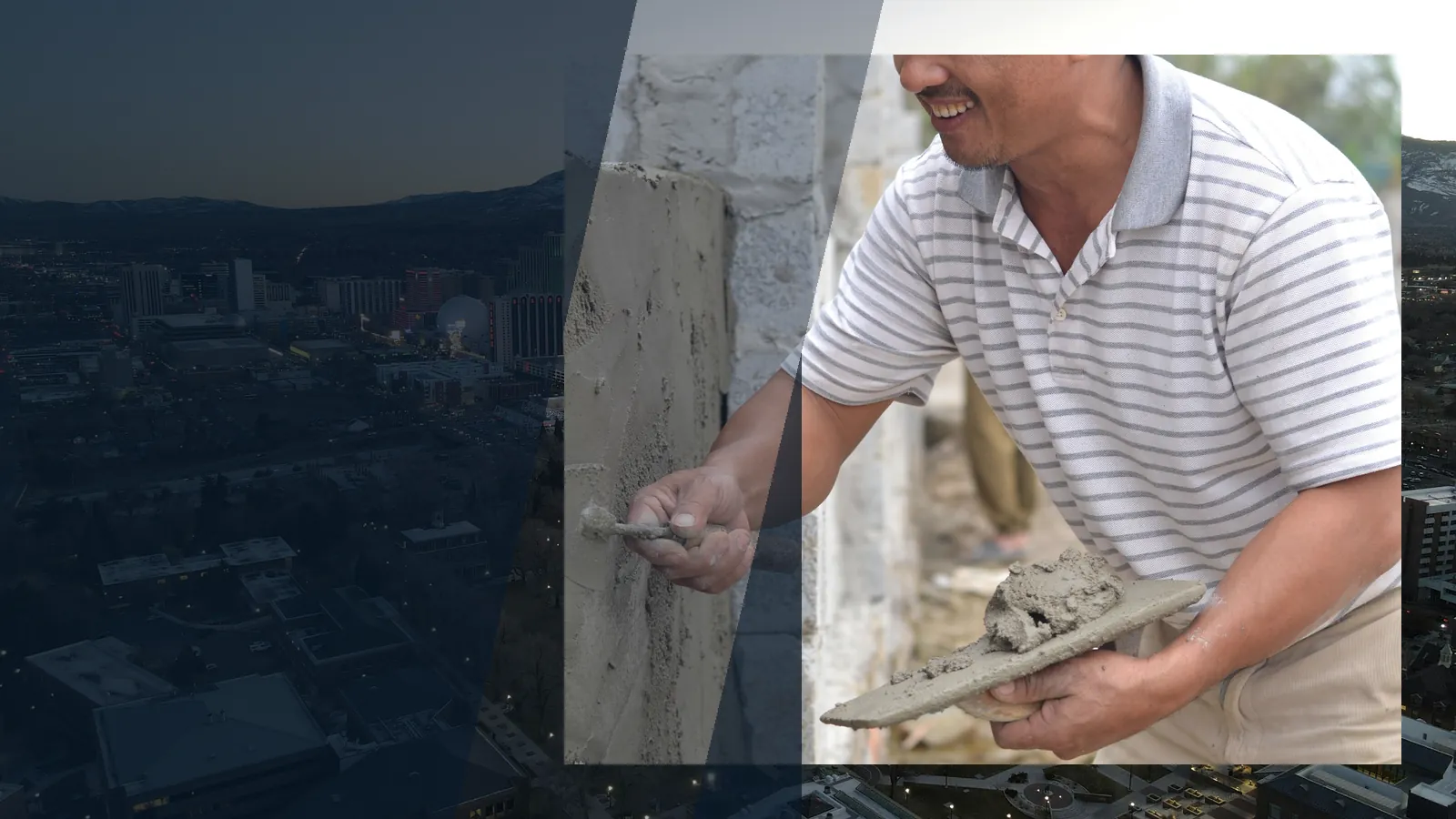
Repair is usually appropriate when damage is localized and the wall behind it remains sound. Replacement becomes more sensible when bond loss, water damage, recurring failure or remodeling affects a larger assembly.
Repair is usually appropriate when damage is localized and the wall behind it remains sound. Replacement becomes more sensible when bond loss, water damage, recurring failure or remodeling affects a larger assembly.
Reno’s high-desert setting brings strong UV exposure, dry air, broad day-to-night temperature changes, winter freezes, wind and occasional snowmelt. A sound stucco wall can handle those conditions, but weak joints, poor opening details, incompatible patches and trapped moisture can become more visible over time.
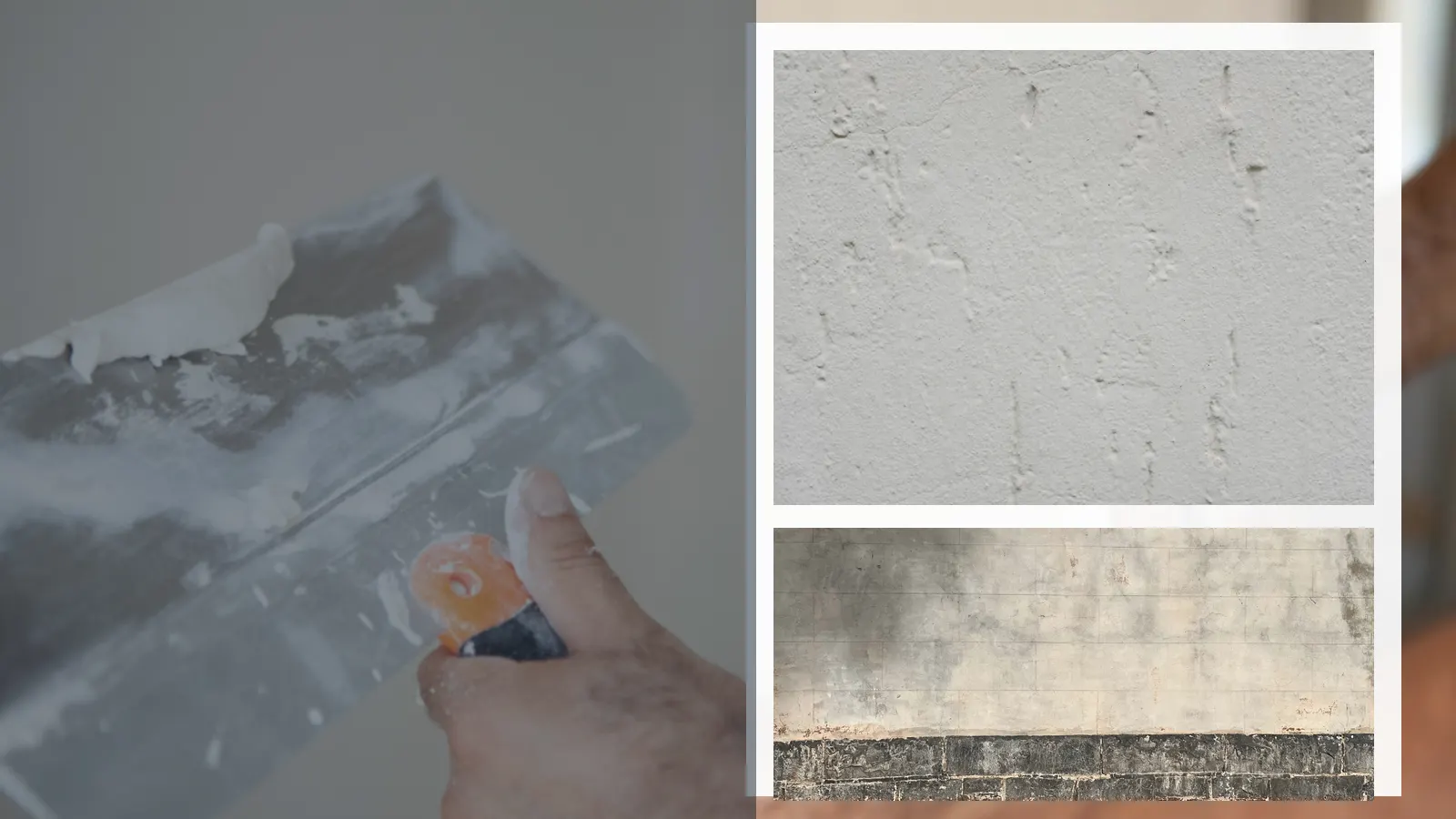
Growth, recurring movement and new staining provide diagnostic information.
Hollow, loose or bulging material points to a different scope than a surface mark.
Openings, roof lines, penetrations, grade and irrigation should be reviewed.
A useful quote should explain what is visible and what remains uncertain before inspection or demolition. It should not promise an invisible repair when the wall has aged, faded or accumulated paint.
Photos should include the entire elevation and close details so nearby joints, windows, roofs and wall bottoms can be evaluated.
When several choices are reasonable, compare appearance, durability, disruption and total cost instead of only the smallest initial number.
Confirm contractor license, insurance, written scope, assumptions and cleanup responsibilities before work begins.
A small sound-edged area supports repair. Broad hollow or bulging sections point toward larger removal.
Wet sheathing, failed flashing or recurring stains can require opening the assembly beyond the visible finish.
Many old patches, severe fading or uncommon texture may make a complete elevation treatment look better.
Replacement does not always mean the entire house. Work can often stop at corners, control joints, trim lines or other logical boundaries. A contractor should show why the proposed boundary is technically and visually appropriate.
Repair should remain the preferred option when it addresses the cause and preserves sound work. Replacement becomes a better value when repeated patching would create multiple mobilizations, visible seams and ongoing uncertainty.
Compare proposals by demolition, wall-layer restoration, finish, coating, cleanup and hidden-condition terms. A repair and replacement quote may appear far apart until the included scope is read carefully.
Ask for alternatives when evidence supports more than one path. A trustworthy proposal explains tradeoffs rather than presenting the largest scope as the only option.
Photograph the whole elevation, the close detail and any nearby opening, roof line or wall bottom. Note when the condition appeared and whether it changes.
Call when damage is growing, wet, loose, bulging, recurring or located around an opening or roof transition.
Often, but final scope may require on-site inspection and limited demolition.
Enter your name, ZIP code, project details and either phone or email. Photos are optional, but they help with the first review.