Identify the system
Traditional cement stucco, one-coat, EIFS and acrylic finishes require different repair materials.

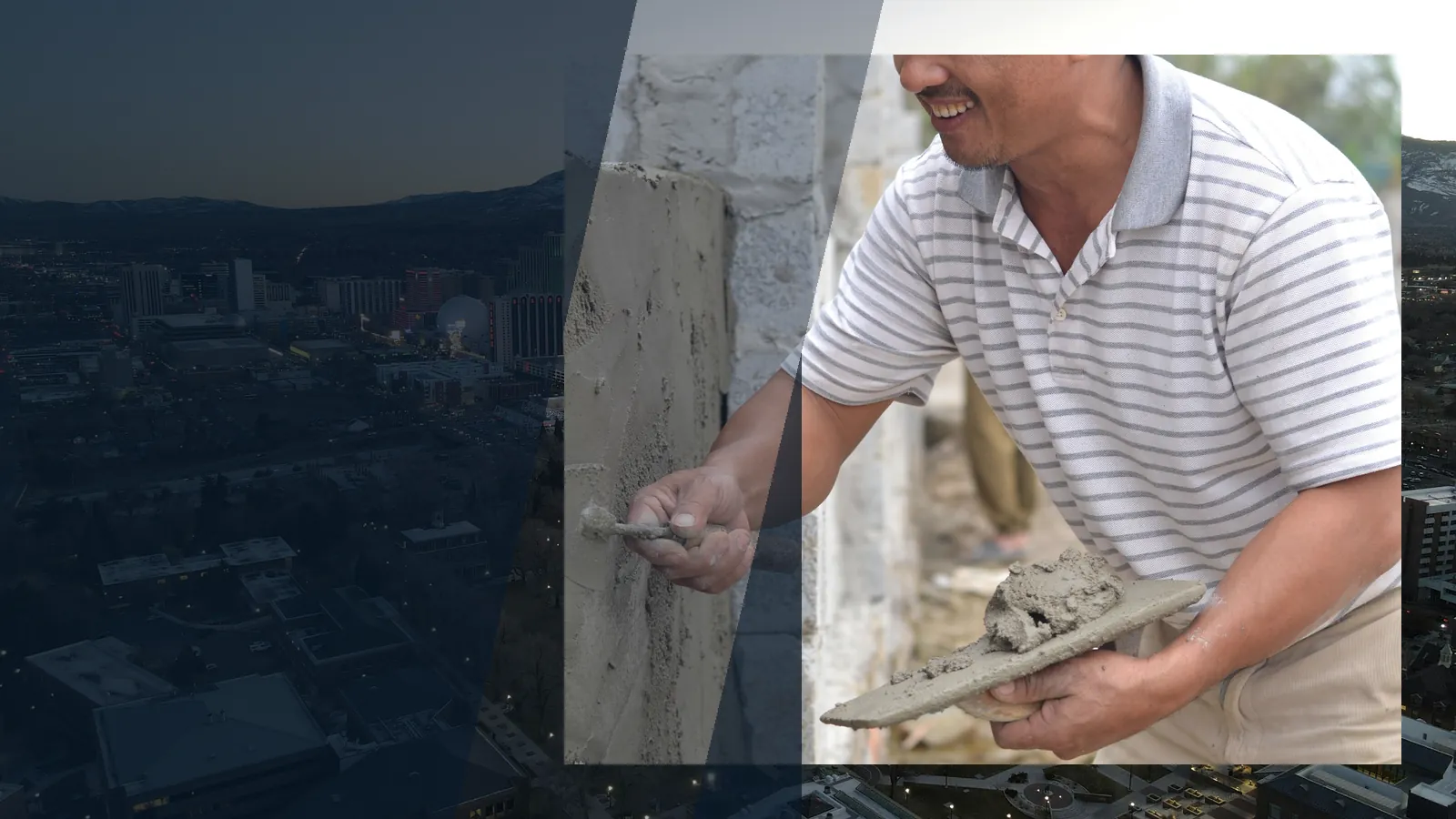
Traditional cement plaster is durable and repairable, but new coats must be compatible with the original wall. Harder is not automatically better.
Traditional cement plaster is durable and repairable, but new coats must be compatible with the original wall. Harder is not automatically better.
Reno’s high-desert setting brings strong UV exposure, dry air, broad day-to-night temperature changes, winter freezes, wind and occasional snowmelt. A sound stucco wall can handle those conditions, but weak joints, poor opening details, incompatible patches and trapped moisture can become more visible over time.
Compatibility and bond matter more than choosing the strongest patch product.
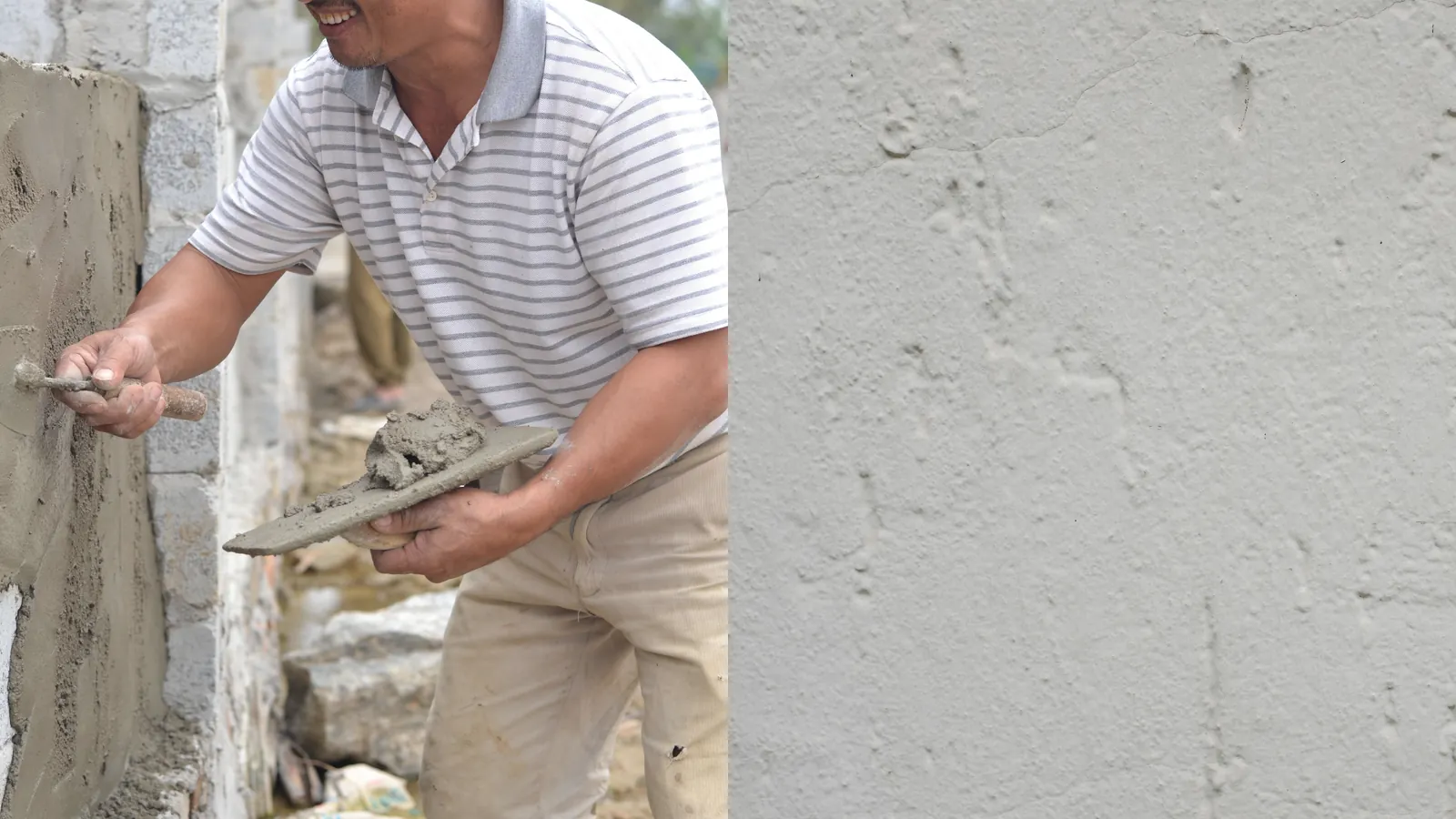
The contractor identifies coat depth, lath condition and finish type. New work is tied into sound edges, scratch and brown coats are rebuilt as needed, and curing is controlled.
Cost factors: Number of coats, cure time, depth, lath repairs, access and texture determine price.
Traditional cement stucco, one-coat, EIFS and acrylic finishes require different repair materials.
Openings, roof transitions, grade and penetrations must shed water before finish work closes the wall.
Corners, trim lines and full elevations often create a cleaner result than an arbitrary patch edge.
Traditional three-coat cement stucco relies on separate scratch, brown and finish coats over lath and weather-resistive layers. Repairs must respect coat thickness, cure and the movement characteristics of the original wall.
During an inspection, the review should not be limited to the most obvious mark. The surrounding wall helps show whether the visible condition is isolated or part of a larger transition, moisture or bond problem.
Traditional cement plaster benefits from controlled moisture during cure, which can be challenging in Reno wind and sun. The contractor should plan shading and return visits so the repair is not dried out in one afternoon.
Contractor note: Traditional stucco can often be repaired in sections, but broad rusting lath, wet sheathing or loss of bond may push the project toward replacement.
Remove material in stages to avoid tearing sound paper or lath.
Repair water-management layers and metal components as needed.
Apply scratch and brown repair coats at compatible thickness.
Cure the base before adding the finish coat.
Match texture and coat a practical boundary when color requires it.
A useful estimate should let the property owner understand what is being removed, rebuilt and finished. It should also state which discoveries could change the scope after damaged material is opened.
Avoid painting fresh cement plaster before it is ready for the selected coating. Maintain joints and keep irrigation away from lower walls.
A complete handoff: The customer should receive the repair boundary, finish strategy and maintenance items explained in plain language.
Sometimes. The deciding factor is whether the surrounding stucco and layers behind the visible damage remain sound. A wider repair is better when bond, moisture or movement extends beyond the mark.
Texture can often be blended closely. Exact color is harder because sun and age change the original wall, so a sample or full-elevation coating may produce a cleaner result.
Photos support an initial review, but final pricing may require an on-site inspection for height, access, moisture, system type and hidden damage.
Verify the selected contractor’s business identity, Nevada license when required, insurance, written scope, price and warranty before authorizing work.
Enter your name, ZIP code, project details and either phone or email. Photos are optional, but they help with the first review.