Did it change?
Growth, recurring movement and new staining provide diagnostic information.

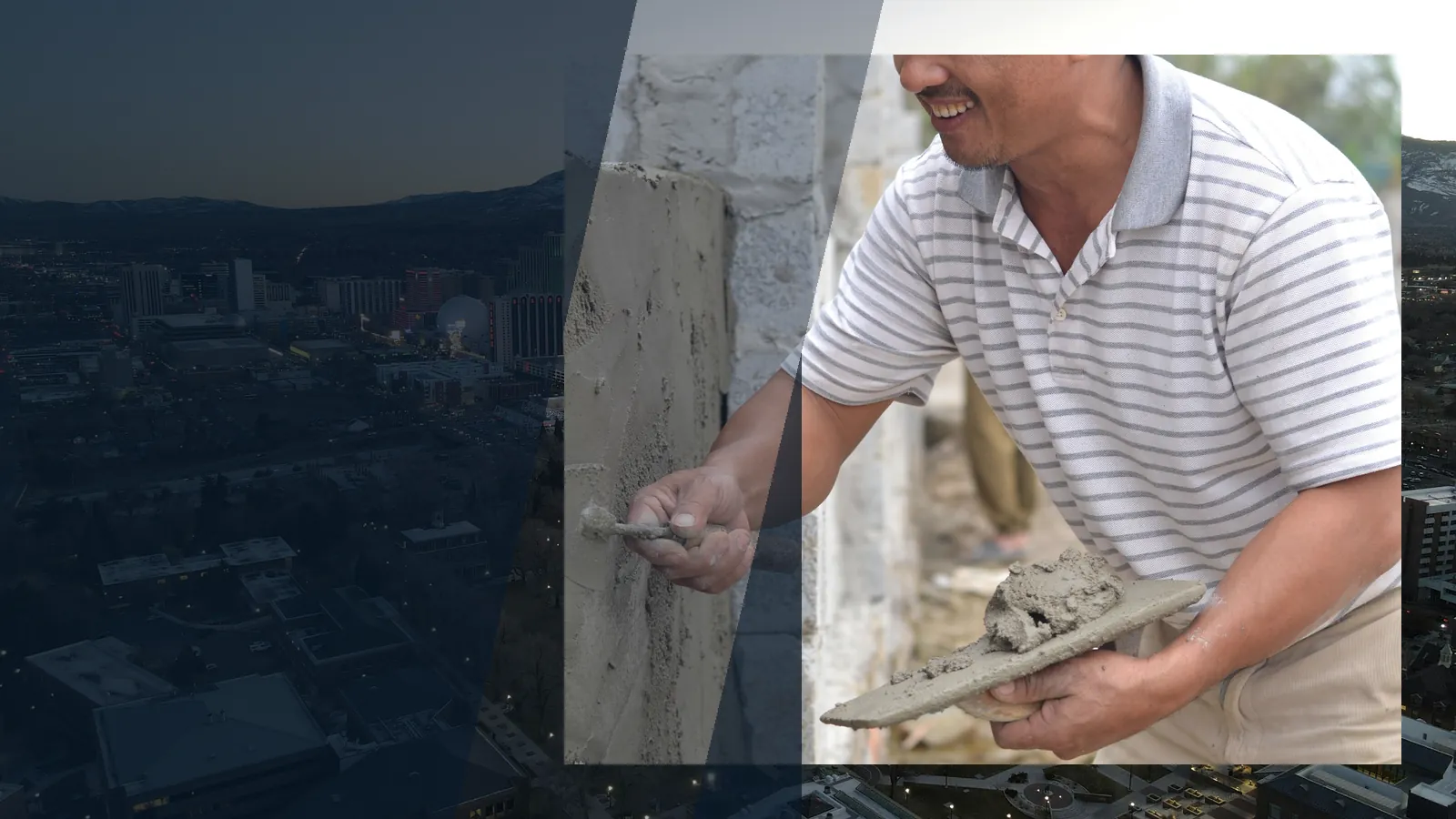
A repair can last for many years when the cause is corrected, materials are compatible, edges tie into sound work and curing is protected. Cosmetic patches over movement or moisture may fail quickly.
A repair can last for many years when the cause is corrected, materials are compatible, edges tie into sound work and curing is protected. Cosmetic patches over movement or moisture may fail quickly.
Reno’s high-desert setting brings strong UV exposure, dry air, broad day-to-night temperature changes, winter freezes, wind and occasional snowmelt. A sound stucco wall can handle those conditions, but weak joints, poor opening details, incompatible patches and trapped moisture can become more visible over time.
Growth, recurring movement and new staining provide diagnostic information.
Hollow, loose or bulging material points to a different scope than a surface mark.
Openings, roof lines, penetrations, grade and irrigation should be reviewed.
A useful quote should explain what is visible and what remains uncertain before inspection or demolition. It should not promise an invisible repair when the wall has aged, faded or accumulated paint.
Photos should include the entire elevation and close details so nearby joints, windows, roofs and wall bottoms can be evaluated.
When several choices are reasonable, compare appearance, durability, disruption and total cost instead of only the smallest initial number.
Confirm contractor license, insurance, written scope, assumptions and cleanup responsibilities before work begins.
Leaks, movement, failed joints and poor drainage are addressed before the finish is closed.
Repair coats match the existing system in thickness, strength and reinforcement.
Temperature, wind and moisture are controlled while cementitious materials develop strength.
A well-executed repair may last for many years, but no honest contractor can promise an exact life without knowing the building, system and cause. A cosmetic patch over active movement can fail within a season, while a properly detailed wall section can perform with the surrounding stucco.
Maintenance matters after repair. Inspect sealant joints, roof transitions, wall bottoms, penetrations and repaired areas annually. Redirect sprinklers and address roof or gutter problems before repeated wetting damages the finish.
Paint and coatings can protect a sound repair, but they cannot hold loose stucco to a wall or stop water entering behind flashing. The coating should be compatible and applied after repair materials cure.
Keep the proposal, product information and repair photos. That record helps future contractors understand what was changed and makes recurring conditions easier to diagnose.
Photograph the whole elevation, the close detail and any nearby opening, roof line or wall bottom. Note when the condition appeared and whether it changes.
Call when damage is growing, wet, loose, bulging, recurring or located around an opening or roof transition.
Often, but final scope may require on-site inspection and limited demolition.
Enter your name, ZIP code, project details and either phone or email. Photos are optional, but they help with the first review.